Babulnath Temple

About

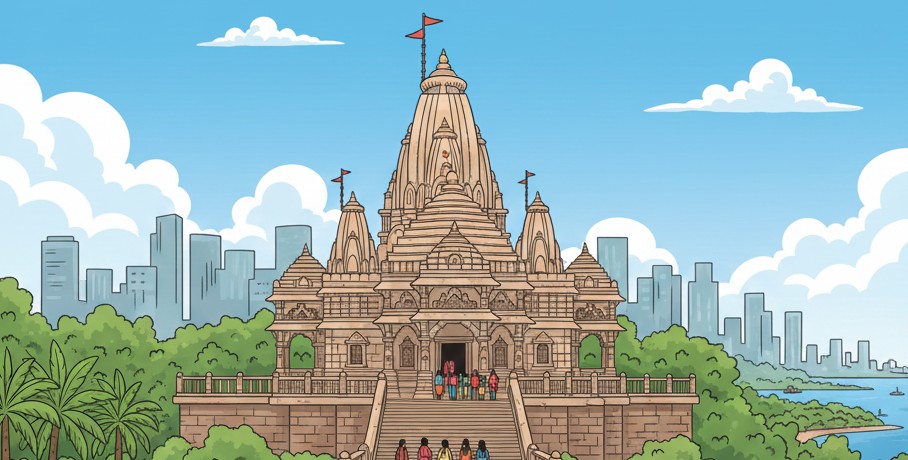
Babulnath Temple is one of Mumbai’s most revered Shiva temples, known for its peaceful atmosphere, spiritual heritage and commanding hilltop presence. Standing close to the vibrant Girgaon Chowpatty, this temple dates back to the eighteenth century and continues to attract devotees, heritage lovers and travellers who wish to experience the cultural soul of South Mumbai.

The climb to the temple or the ride via lift gives visitors a chance to admire the surroundings and appreciate the tranquil space waiting above the busy city streets. The temple architecture features traditional stone carvings and a beautifully sculpted Shiva lingam that reflects centuries of devotion.

Visitors often appreciate the quiet courtyards, the gentle ringing of bells and the soothing chants that fill the air. For many, Babulnath Temple is not just a religious site, but a refreshing spiritual pause in the middle of a bustling metropolis.

Key highlights:

  • Magnificent stone carvings and heritage rich sculptures
  • Hilltop location offering city and sea views
  • Strong cultural connection with the Girgaon community
  • Major crowd during Mahashivratri, Shravan month and festivals
  • Peaceful ambience ideal for meditation and photography

Over the years, Babulnath Temple has also become a popular tourist attraction due to its accessibility, cultural charm and timeless architecture. Whether you are seeking blessings, exploring local traditions or capturing Mumbai’s heritage, the temple offers an experience that blends spirituality, history and city life beautifully.

History

Babulnath Temple, a historic landmark in Mumbai, is believed to have origins dating back to the late eighteenth century. Dedicated to Lord Shiva, the temple stands on a hill near Girgaon Chowpatty and has long been an important spiritual centre for the local community.

Early references suggest that a Shiva lingam was discovered here by local cattle owners, leading to the establishment of the shrine. Over time, the temple expanded with the support of devotees, philanthropists and the Gujarati merchant community.

Key highlights:

  • The temple’s origins trace back to the eighteenth century when a Shiva lingam was unearthed
  • The present structure was developed in the nineteenth century with traditional stone carvings
  • Strong historical association with Girgaon’s local communities and merchant families
  • Became a major pilgrimage site during festivals like Mahashivratri and Shravan
  • Its hilltop position made it a notable heritage point in South Mumbai’s cultural landscape


Facts & Figures

Babulnath Temple is a culturally rich landmark that blends traditional architecture with spiritual significance. Its hilltop location, stone carvings and vibrant festive atmosphere make it a prominent attraction in South Mumbai.

The temple receives thousands of visitors daily, with crowds increasing significantly during Mahashivratri and Shravan. The complex also includes a lift facility for those who prefer not to climb the steps, making it accessible to senior citizens and families.

Key facts and figures:

  • Approximate age: Over 200 years
  • Main deity: Shiva lingam discovered in the eighteenth century
  • Height: Elevated hilltop location offering sweeping views
  • Visitors: Thousands on regular days, lakhs during Mahashivratri
  • Structure: Carved stone pillars, courtyards and traditional motifs
  • Facilities: Lift service, donation counters, prasad stalls


Current Scenario

Babulnath Temple today stands as one of Mumbai’s most active and well-maintained religious landmarks. The temple continues to attract a steady flow of devotees, especially during early mornings and evenings when the atmosphere is peaceful and devotional.

Festival days like Mahashivratri, Shravan Mondays and other auspicious occasions see heavy footfall, with long queues and extended darshan timings. The management has introduced organised systems such as lift access, structured queues and security checks to ensure smooth movement. The temple premises are clean, well-lit and equipped with drinking water points and prasad counters.

Current highlights:

  • Clean and well-maintained premises
  • Lift available for easier access
  • High crowd during Mahashivratri, Shravan and public holidays
  • Regular aarti and devotional activities
  • Security and queue management for orderly darshan
  • Accessible to senior citizens and families
0313
Local Legends

Babulnath Temple is deeply rooted in ancient legends that form an essential part of its spiritual identity. According to local folklore, the temple site gained significance when a cow belonging to nearby herdsmen was often seen releasing milk over a particular stone.

When the stone was examined, a Shiva lingam was discovered beneath it, leading to the belief that Lord Shiva himself manifested at this sacred spot.

This divine incident inspired the foundation of the shrine, which later became the Babulnath Temple. The name “Babulnath” refers to Lord Shiva as a fatherly figure, symbolising protection and compassion for devotees.

Key highlights:

  • Shiva lingam believed to be discovered through a divine cow ritual
  • Legend associated with shepherds and cattle owners in old Mumbai
  • Temple name symbolises Lord Shiva as a father figure
  • Strong mythological connection with Girgaon community
  • Considered one of the spiritual anchors of South Mumbai


Architecture & Design Details

The architecture of Babulnath Temple is a fine example of traditional stone craftsmanship seen in historic Hindu temples. Built on a hill overlooking the Girgaon area, the temple features carved stone pillars, ornate motifs and intricately sculpted walls that reflect artistic influences from Gujarati and Maratha traditions.

The layout follows classical temple principles with a central sanctum, surrounding courtyards and peaceful pathways. The hilltop structure allows natural ventilation and sunlight, adding both aesthetic and spiritual value to the visitor experience. Its elevated position also provides scenic views of Mumbai’s coastline, giving devotees a sense of calm and connection with the surroundings.

Key highlights:

  • Traditional stone carvings and sculpted motifs
  • Pillars and walls inspired by Gujarati and Maratha styles
  • Hilltop layout offering natural light and ventilation
  • Classic temple design with sanctum and courtyards
  • Scenic views of the Arabian Sea and Girgaon locality
  • Architecture emphasises peace, symmetry and spiritual ambience


Best Time to Visit

The best time to visit Babulnath Temple in Mumbai is during the cooler months and early morning hours when the atmosphere is calm and ideal for darshan. From November to February, the pleasant weather makes the climb or lift journey comfortable.

Many devotees also prefer visiting during sunrise or early evenings for a more peaceful experience. Festival days such as Mahashivratri and Shravan Mondays are spiritually enriching but attract large crowds, so visitors should plan accordingly. The monsoon season, while scenic, may make the steps slightly slippery, so caution is advised.

Best time highlights:

  • Ideal season: November to February
  • Pleasant weather and comfortable visitation
  • Early mornings and evenings recommended
  • Spiritual yet crowded: Mahashivratri and Shravan
  • Avoid peak afternoon heat
  • Exercise care during monsoon months
0613
Timings, Entry Fees & Rules

Babulnath Temple follows a structured schedule that allows devotees to plan their visit comfortably. The temple generally opens early in the morning and remains accessible until late evening, with specific timings for aarti and darshan.

Entry to the temple is free for all visitors, and there are no additional charges for regular darshan. However, special puja services may involve optional donations. The premises maintain strict cleanliness, and visitors are expected to follow basic temple etiquette, including removing footwear before entering and maintaining silence near the sanctum. Photography may be restricted in certain areas, so it is advisable to check with temple staff.

Key details:

  • Typical timings: Early morning to late evening
  • No entry fee for any visitor
  • Special puja charges vary as per offerings
  • Footwear not allowed inside the temple sanctum
  • Maintain cleanliness and silence
  • Photography restrictions may apply


    Disclaimer:
    Timings and rules may change; visitors should confirm with the temple office or check official sources


How to Reach

Reaching Babulnath Temple in Mumbai is convenient due to its central location in the Girgaon area. Travellers can choose from multiple transport options, including air, rail, metro and road.

The temple is close to major landmarks, making navigation easy even for first-time visitors. Local taxis, buses and auto-rickshaws provide direct access to the base of the temple, from where devotees can either take the steps or use the lift service.

How to reach:

  • By Air: The nearest airport is Chhatrapati Shivaji Maharaj International Airport, located around 20 to 22 kilometres away. From the airport, visitors can take a taxi or app-based cab via the Western Express Highway and reach Girgaon Chowpatty, followed by a short drive to the temple entrance.

  • By Train: The closest railway station is Charni Road on the Western Line, approximately 1 kilometre from the temple. From the station, travellers can walk, take a bus or hire an auto-rickshaw to reach the temple base. Churchgate and Mumbai Central stations are also convenient access points.

  • By Road / Metro: The temple is easily reachable via Marine Drive, Girgaon Chowpatty and other South Mumbai roads. Buses frequently operate in this area. The nearest metro station (once operational on future lines) will further improve connectivity. Landmarks such as Chowpatty Beach and Wilson College make navigation simple for visitors.


Tips & Hacks

Visiting Babulnath Temple can be a smooth and rewarding experience with a little planning. The temple attracts both daily devotees and tourists, so choosing the right time and following basic etiquette can make the visit more comfortable.

Early morning hours are ideal for a peaceful darshan, while evenings offer a pleasant atmosphere. Visitors should carry essentials lightly, wear comfortable footwear for the climb and remain mindful of temple rules. Photography may be restricted in the inner sanctum, so always check before clicking pictures.

Useful tips and hacks:

  • Visit early morning or after sunset for peaceful darshan
  • Use the lift if you prefer to avoid climbing the steps
  • Keep footwear at designated counters
  • Carry minimal belongings to move smoothly
  • Avoid peak festival crowds unless participating in rituals
  • Check photography rules before taking pictures
  • Keep hydrated during warmer months
  • Respect temple etiquette and maintain silence near the sanctum
0913
Recommendations for Tourists

Babulnath Temple offers a serene experience for both local and international tourists. Local visitors can plan short morning or evening visits to enjoy peaceful darshan, while international travellers may appreciate combining the temple visit with nearby attractions such as Girgaon Chowpatty and Marine Drive.

The temple’s spiritual ambience, hilltop views and cultural importance make it a meaningful stop on any Mumbai itinerary. Both types of travellers are advised to wear modest clothing, stay hydrated and allocate enough time for queues during festive seasons.

Tourist recommendations:

  • For Local Tourists: Ideal for short visits; best during mornings or late evenings; combine with Girgaon Chowpatty for a relaxed outing.

  • For International Tourists: Opt for guided cultural walks; understand temple etiquette; pair visit with Marine Drive or heritage spots in South Mumbai.

  • Suggested itinerary: Early morning darshan followed by a walk to Chowpatty or a drive along Marine Drive.


Food Courts / Food Options Nearby

Visitors to Babulnath Temple will find plenty of food options nearby, ranging from budget street snacks to mid-range eateries and family dining spots. The Girgaon and Chowpatty areas are popular for traditional Maharashtrian snacks, vegetarian meals and classic Mumbai street food.

Many restaurants are within walking distance, making it easy for visitors to enjoy a meal before or after darshan. Whether you prefer light snacks, wholesome thalis or quick bites, the locality offers a variety of choices suitable for different budgets.

Food options nearby:

  • Budget-friendly snacks such as vada pav, pav bhaji and bhel puri at Chowpatty stalls
  • Mid-range North Indian and vegetarian meals at popular eateries around Charni Road
  • Sit-down family restaurants offering South Indian, Chinese and multi-cuisine dishes
  • Fresh juices, falooda and ice creams available along Marine Drive and Chowpatty
  • Must-try: Pav Bhaji (₹100 to ₹180 per person), Bhel Puri (₹60 to ₹100), South Indian meals (₹150 to ₹250), Falooda (₹120 to ₹200)
  • Suitable options for all budgets, from street food lovers to casual diners


Food Courts / Food Options Nearby

Visitors to Babulnath Temple will find plenty of food options nearby, ranging from budget street snacks to mid-range eateries and family dining spots. The Girgaon and Chowpatty areas are popular for traditional Maharashtrian snacks, vegetarian meals and classic Mumbai street food.

Many restaurants are within walking distance, making it easy for visitors to enjoy a meal before or after darshan. Whether you prefer light snacks, wholesome thalis or quick bites, the locality offers a variety of choices suitable for different budgets.

Food options nearby:

  • Budget-friendly snacks such as vada pav, pav bhaji and bhel puri at Chowpatty stalls
  • Mid-range North Indian and vegetarian meals at popular eateries around Charni Road
  • Sit-down family restaurants offering South Indian, Chinese and multi-cuisine dishes
  • Fresh juices, falooda and ice creams available along Marine Drive and Chowpatty
  • Must-try: Pav Bhaji (₹100 to ₹180 per person), Bhel Puri (₹60 to ₹100), South Indian meals (₹150 to ₹250), Falooda (₹120 to ₹200)
  • Suitable options for all budgets, from street food lovers to casual diners
01213
Additional Notes / Fun Facts

Babulnath Temple is not only a place of worship but also an important cultural landmark in South Mumbai. Its hilltop position offers a peaceful escape from the city’s pace, and many locals visit the temple simply to enjoy the calm atmosphere.

The temple is especially serene during sunrise, when the bells and chants blend with the morning light. The lift service, introduced to support senior citizens and daily devotees, is one of the unique aspects of the temple. It is also believed that the location once served as a grazing ground centuries ago, which adds to the charm of its origin story.

Fun facts:

  • One of the few hilltop temples in Mumbai
  • Sunrise views from the temple are especially captivating
  • Lift facility makes the temple highly accessible
  • Believed to be located on an ancient grazing ground
  • Popular stop during heritage walks in South Mumbai
  • Often paired with visits to Walkeshwar Temple and Banganga Tank
1199


Places Nearby Babulnath Temple
Frequently Asked Questions
Q1: What is the entry fee for visiting Babulnath Temple in Mumbai?
A1: Entry to Babulnath Temple in Mumbai is free for all visitors.
Q2: What are the darshan timings at Babulnath Temple in Mumbai?
A2: Darshan timings at Babulnath Temple in Mumbai generally run from early morning to late evening, with special aarti sessions throughout the day.
Q3: Is photography allowed inside Babulnath Temple?
A3: Photography may be restricted inside the sanctum of Babulnath Temple, so visitors should check with temple staff before taking pictures.
Q4: What is the best time to visit Babulnath Temple in Mumbai?
A4: The best time to visit Babulnath Temple in Mumbai is during early mornings or evenings between November and February for pleasant weather and peaceful darshan.
Q5: How can I reach Babulnath Temple from Charni Road station?
A5: From Charni Road station, you can walk or take an auto-rickshaw to reach the base of Babulnath Temple within a few minutes.
Q6: Is there a lift facility available at Babulnath Temple?
A6: Yes, Babulnath Temple provides a lift facility for visitors who wish to avoid climbing the hilltop steps.
Q7: Why is Babulnath Temple considered an important Shiva temple in Mumbai?
A7: Babulnath Temple is important because it houses an ancient Shiva lingam and holds deep mythological and cultural significance in Mumbai.
Q8: What festivals are most popular at Babulnath Temple?
A8: Mahashivratri and Shravan Mondays are the most popular festivals celebrated at Babulnath Temple.
Q9: Is Babulnath Temple suitable for senior citizens?
A9: Yes, Babulnath Temple is senior citizen friendly due to its lift access and well-maintained pathways.
Q10: Are there food options available near Babulnath Temple in Mumbai?
A10: Yes, there are several food stalls and restaurants near Babulnath Temple, especially around Girgaon and Chowpatty.
Q11: How crowded does Babulnath Temple get during Mahashivratri?
A11: Babulnath Temple experiences very large crowds during Mahashivratri, with long queues and extended darshan timings.
Q12: Is it safe to visit Babulnath Temple during the monsoon season?
A12: Yes, it is safe to visit Babulnath Temple during monsoon, but visitors should be careful as the steps may become slippery.
Q13: What are the nearby attractions to Babulnath Temple in Mumbai?
A13: Nearby attractions include Girgaon Chowpatty, Marine Drive, Walkeshwar Temple, Banganga Tank and Hanging Garden.
Q14: Can tourists combine a visit to Babulnath Temple with Marine Drive?
A14: Yes, Babulnath Temple is very close to Marine Drive, making it easy for tourists to combine both places in a single trip.
Q15: Does Babulnath Temple have any dress code for visitors?
A15: While there is no strict dress code at Babulnath Temple, visitors are advised to wear modest and respectful clothing.